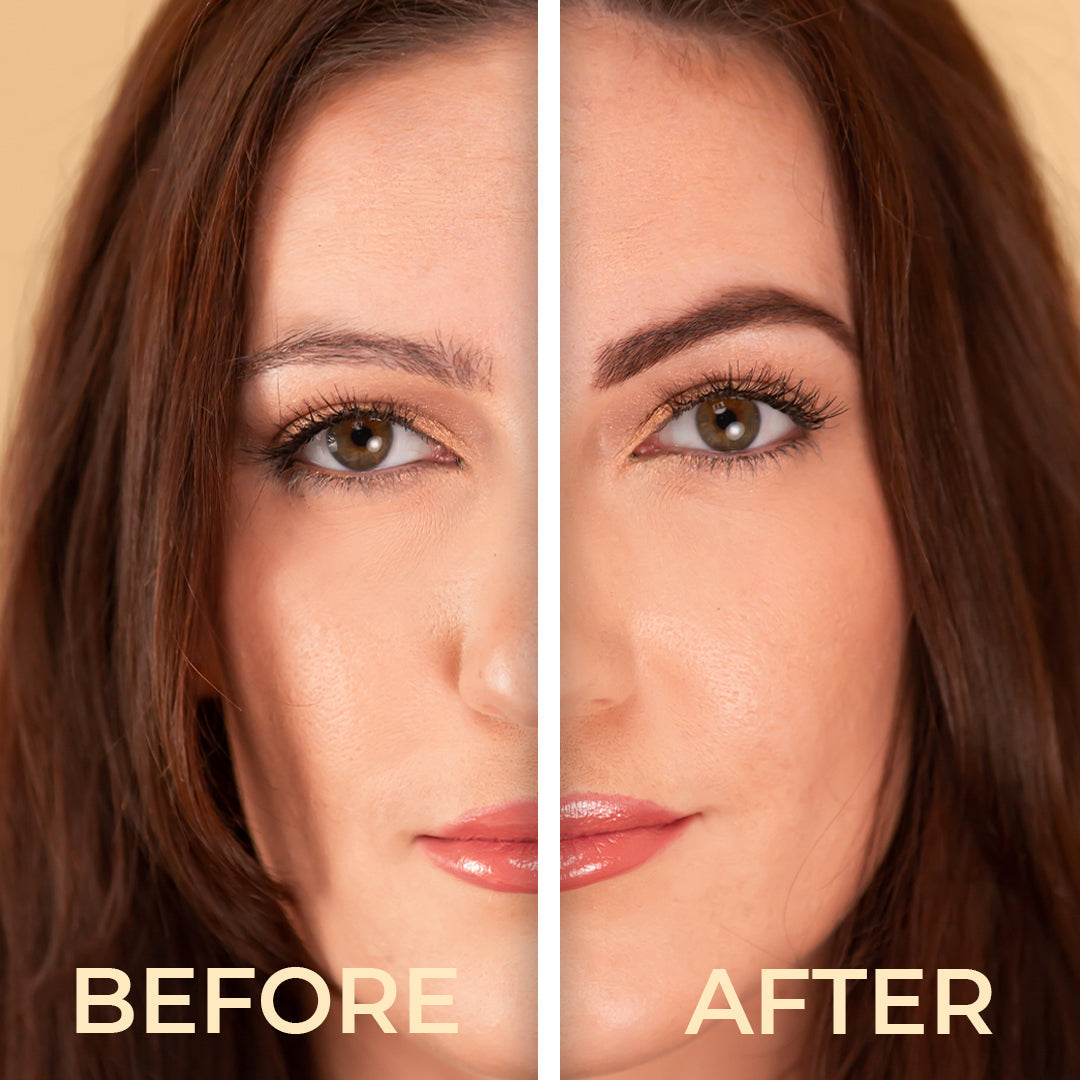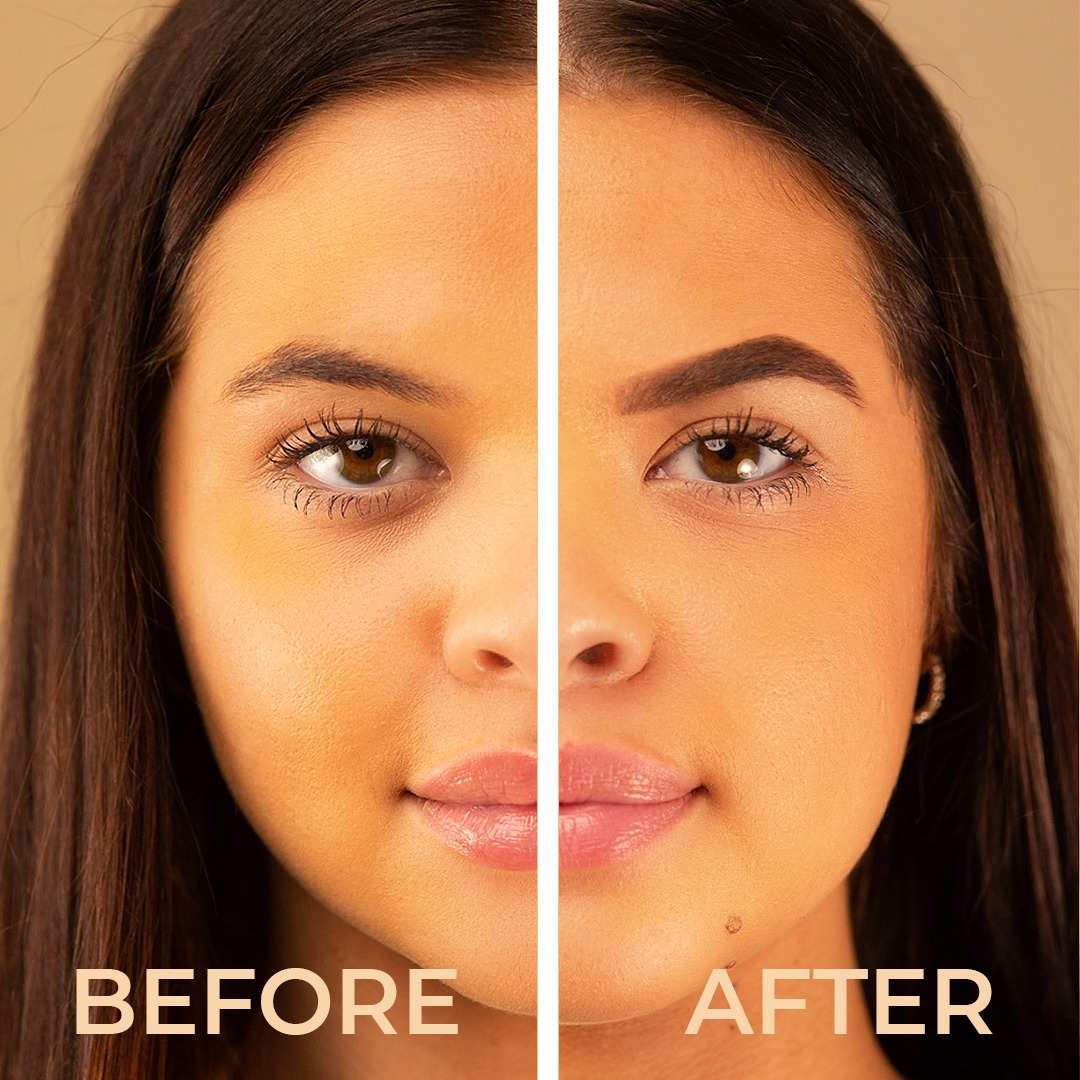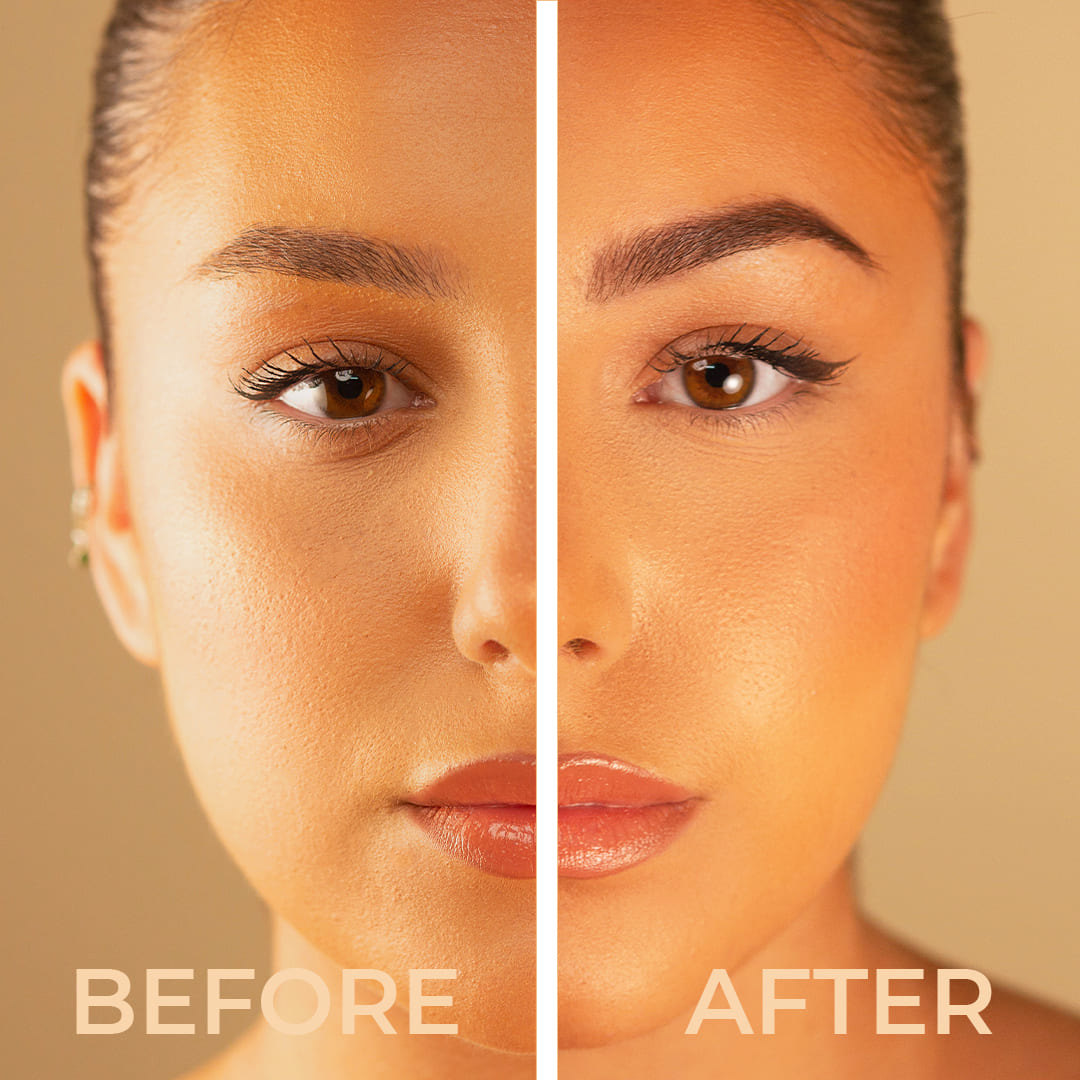
Why Your Contour Looks Patchy and How to Fix It with the Right Tools

Contouring appears easy when we watch it in beauty tutorial videos; however, in reality, it tends to be patchy, messy, or more difficult to apply than one would think. It is often the case that people think the issue lies in the cosmetic; however, the application process plays an equally important role here.
Over-application of the cosmetics, fast layers of application, or the type of brush used all affect the quality of contouring and its appearance on the face. Sometimes, even the best-quality face contouring powder is applied improperly to look messy and unbalanced. But this can be easily fixed.
Common Signs of Patchy Contour
There are several common indicators for patchy contour, and once you become aware of them, they can easily be detected during your regular application process. These markers tend to indicate problems with your blending technique or application rather than with the actual product itself.
Common indicators of patchy contour:
- Dark spots on your skin that won’t blend properly.
- Uneven definition of one side of your face compared to the other.
- Uneven application of the product due to dryness or roughness in certain areas.
- An overly harsh nose contour that looks murky or unnatural.
- Disappearing contour after blending.
Detecting these indicators is the first step towards correcting your contour application technique.
Why Your Contour Looks Patchy
In most cases, it is due to a combination of things like the amount of product, skin preparation, applicators used, and consistency of the product formula. When you have all these aspects down, it will be much easier for you to get a smoother blend.
Using Too Much Contour
Too much product can definitely cause a problem with creating a smooth, uniform finish. With extra product used initially, the blend process can be quite challenging, since excess product will tend to stay on the surface, resulting in an uneven look due to uneven pigment distribution in textured areas.
This is because a light hand will give you greater flexibility to shape and shade your contours properly. Using a face contouring powder in thin layers will definitely give you better results.
Skin Preparation Is Often Overlooked
Contouring begins before any makeup product touches the skin. Contouring can cling to areas where the skin is not properly hydrated or primed. Rather than being smooth when applied, the contour will adhere to dry areas.
This same effect will occur if you apply contour to skin care products that have not been fully absorbed into the skin. Proper hydration of the skin helps makeup apply more evenly and flow easily on the skin.
Brush Selection
The choice of brushes plays a huge part in the way contours will turn out when used. Bristly and large brushes usually load up with more product than necessary, thus making it hard for one to blend the product. Brushes with stiff or uneven bristles can lead to streaks during application.
Size comes into play as well; brushes that are bigger may make it difficult to apply product in small spaces, such as in the area around the nose. Getting a luxury makeup brush set could really help making the process more efficient.
Powder Formulas May Affect How They Set
The formula used to create the powder is another important aspect that will affect how easy it will be to apply and blend. If the powder is drier and more pigmented, then it will be more difficult to blend.
Alternatively, a finely ground powder will blend much more easily, creating a more seamless look. It will be easy to see that using the right contour kit powder will result in the perfect contouring experience.
How to Fix Patchy Contour
In this part, we will talk about simple tricks that help get perfect-looking contours without spending too much time.
Tip 1: Apply Light Layers of Product
When contouring, you should not use excessive amounts of powder or cream at once to maintain better control. Rather than applying a thick layer at once, work with thin layers.
Bonus tip: Tap the brush with excess product off before application.
Tip 2: Blend the Powder Immediately
As soon as you apply the powder, it hardens. That is why it is necessary to apply and blend the product immediately.
Bonus tip: Do not blend all areas at once, but rather apply to the needed area and then move to another one.
Tip 3: Get the Necessary Brushes
There are brushes for everything. For example, when doing contouring, you need two types: small brushes for placing the product and fluffy brushes for blending. Using only one brush complicates the process.
Bonus tip: Invest in such products as a luxury makeup brush set or nose contouring kit.
Tip 4: Keep It Soft, No Sharpness
The key here is that the contour should accentuate rather than create harsh lines. Blurring out your application will help keep your makeup looking more natural.
Key Points to Remember: Contouring can be achieved through soft layers and great blending skills.
Small Habits That Improve Contour Instantly
Just making minor changes to your daily regimen will greatly enhance the effect of an even contour appearance. These changes will help prevent an uneven look without altering your overall makeup style.
Some practices to implement fast:
- Keep your brushes clean in order not to gather products.
- Do not apply powder on contour while the base is wet.
- Apply gentle pressure, particularly at the nose region.
- Blend up rather than down for the best effect.
- Test your contour under natural light conditions.
With these practices, you are guaranteed to see some positive changes in your contour appearance.
Conclusion
A patchy contour effect is rarely an issue of skill level, and it is more about technique, tools, and correct methods. Just a few tweaks, such as improved blending and reduced layering, can bring you an incredibly smooth look.
At Fab Brows, we understand that makeup is meant to be easy, natural, and confidence-building, not complex. Proper tools and well-thought-out products will ensure that your contour will be more natural and effortless.